Are worms good for my grass?
No matter how well maintained your lawn is, worms will always inevitably find their way into the soil.
But, is that necessarily a bad thing?
We often see homeowners feeling frustrated by the presence of worms, in their otherwise immaculate lawn.
However in reality, worms play a critical role in keeping soil and grass healthy. Although they can disturb the surface finish of your lawn, before you think about removing worms, you need to weigh this up against all the benefits they’re bringing to your garden.
In this article, we’ve outlined both the advantages and drawbacks of worms being present in your grass, and shared our top tips to managing them effectively (in a way that ensures you still get to enjoy all these benefits).
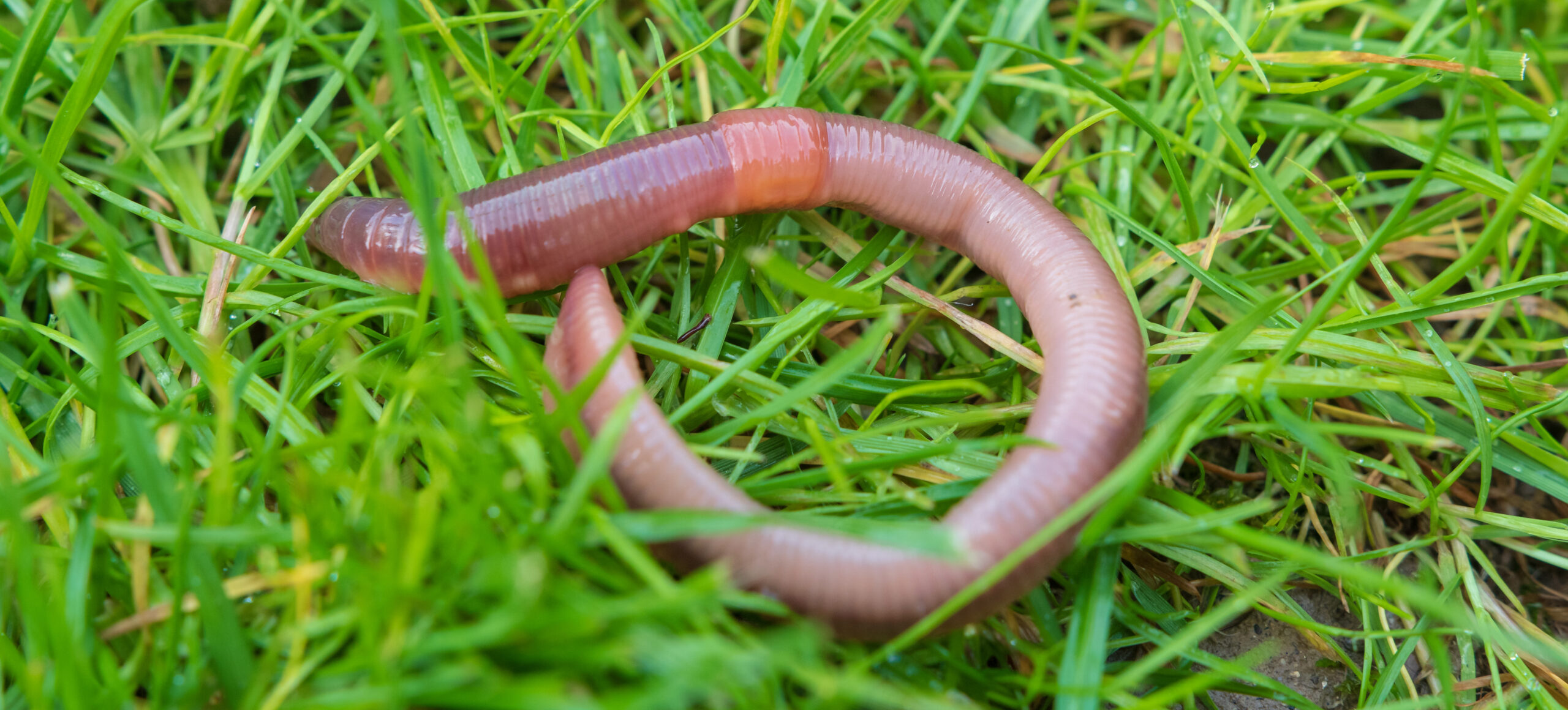
What do earthworms do in lawns?
Earthworms live beneath the lawn, which is where they continuously feed and burrow.
As they burrow, they keep improving the soil that they go through, in numerous ways.
Not only do they break up compacted soil (improving root growth in the surrounding plants), but they also aerate the soil they move through. This makes it easier for air, water and nutrients to reach the grass roots, while also improving the soil’s drainage.
This natural tunnelling process is extremely incredibly beneficial for the overall health and longevity of your lawn.
Another key – but not completely positive – effect that worms have on lawns is that of worm casts. This is when worms digest organic matter, and excrete it as mounds that are left on the lawn’s surface.
While these casts are not particularly nice to look at (especially if your lawn is otherwise a consistent green colour), they are extremely rich in nutrients and a great lawn fertiliser.
The pros and cons of worms in lawns
The benefits
- Healthier, more nutrient-rich soil
- Improved soil structure
- Improved soil drainage
- Lower risk of water pooling
- Improved soil fertilisation
- Stronger root growth, with improved grass establishment
The disadvantages
- Casts making the lawns look messy (these can also spread across the lawn, if they are trod on)
- Increased risk of weed growth
As you can see, on the whole, worms bring a long list of advantages to lawns, and are one of the biggest natural contributors to luscious, healthy lawns.
However, it can be understandably frustrating to see casts left on the lawn, especially if you’ve worked hard to maintain a pristine lawn.
So, the question is, should you remove worms?
In most cases, the answer here is No.
This is because the benefits that worms bring to a lawn and the wider ecosystem significantly outweighs their small drawbacks.
Instead, you can mitigate the drawbacks by focusing on managing their activity. That way, you get the best of both worlds.
How to manage worm activity in your lawn
There are a number of quick and easy ways that you can reduce worm activity and the presence of casts.
These include:
- Regularly brushing or raking the lawn when it is dry, to distribute the casts without spreading them (ensure the soil is not wet, otherwise this can cause the casts to smear)
- Avoid mowing when casts are wet
- Improving your soil’s drainage, e.g. by aerating your lawn more regularly
- Avoid overwatering your lawn
- Regularly remove leaves and other natural debris
With these techniques, you can keep worm activity to a more manageable level, and reduce the likelihood of casts appearing on your lawn’s surface.
At Buckley Turf, we are lawn turf specialists, with over 50 years’ experience supporting homeowners.
To find out more about our comprehensive range of lawn services, or to get free on-site visits and advice for your property, speak to our team today.